
DT CAN Bus Connectors
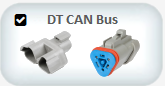
Deutsch DT CAN Bus Connectors are rugged, reliable, and engineered for demanding CAN bus applications.Deutsch DT series connectors are widely recognized as the industry standard for CAN Bus wiring thanks to their robust construction, environmental sealing, and long‑term durability. With an IP68 rating and reliable performance across temperatures from -55°C to +125°C, they are built to withstand harsh automotive, industrial, agricultural, and marine environments where stable data transmission is essential. Their secure locking mechanisms, high pin retention, and compatibility with both OEM and aftermarket systems make Deutsch connectors a trusted choice for CAN Bus networks used in engine management, diagnostics, telematics, and heavy machinery.
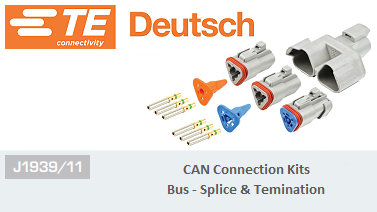
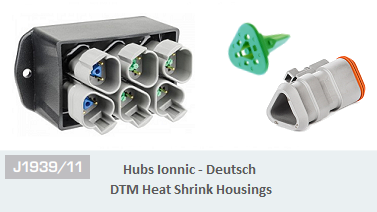
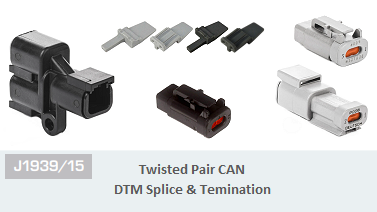

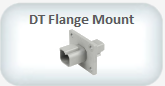
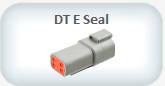
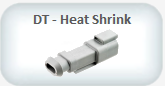
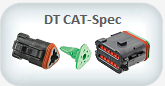

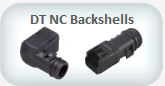
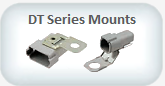
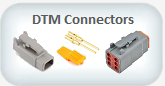
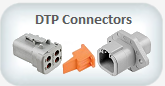
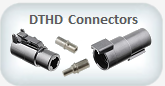
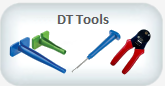
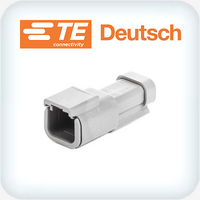
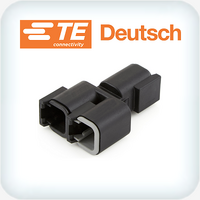
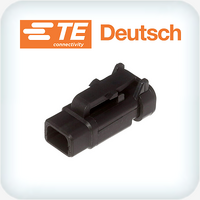
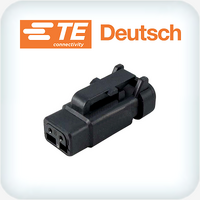
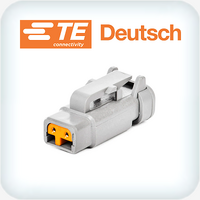
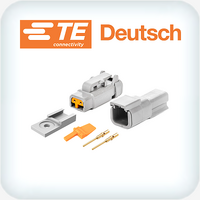
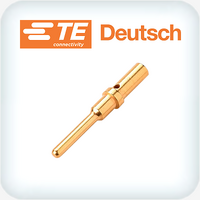
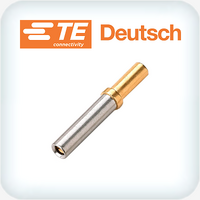
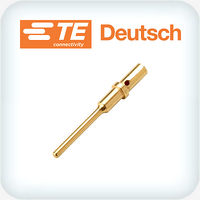
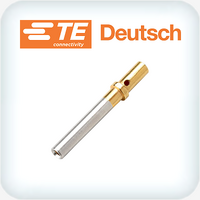
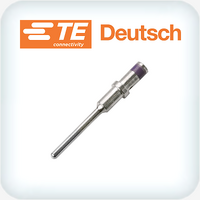
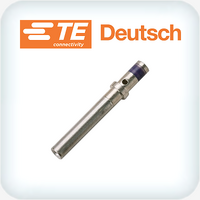
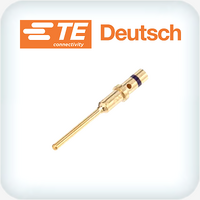
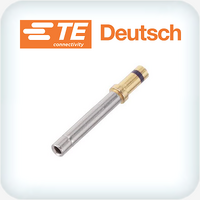
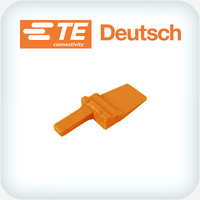
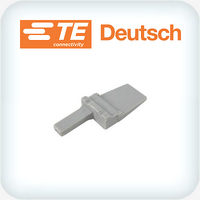
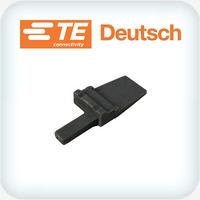
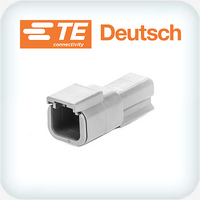
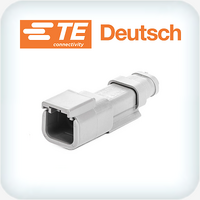
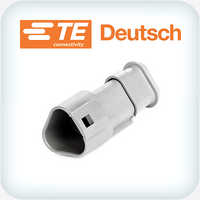
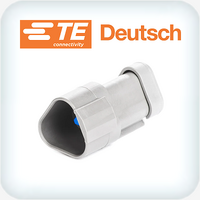
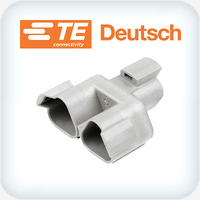
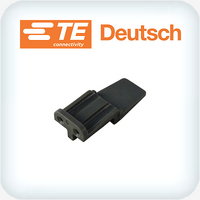
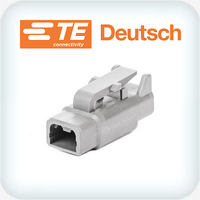
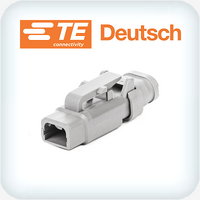
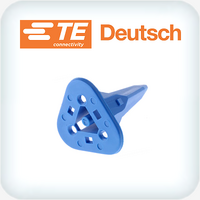
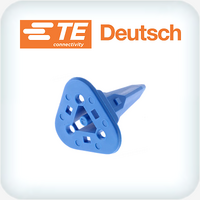
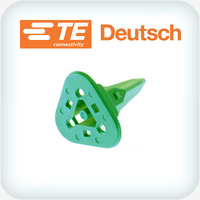
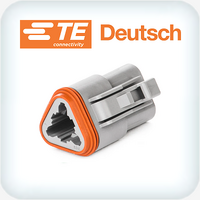
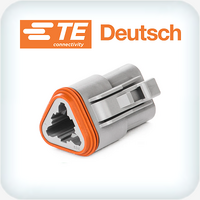
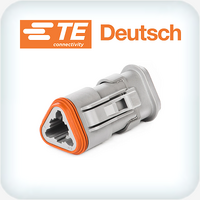
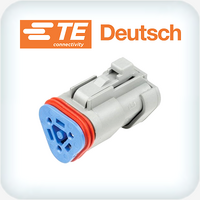
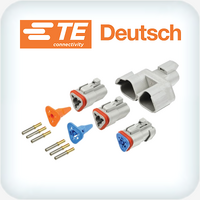
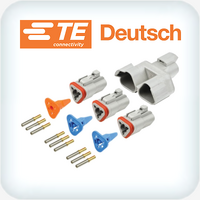
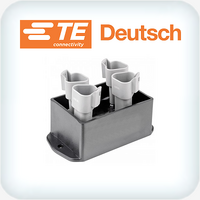
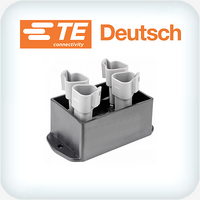
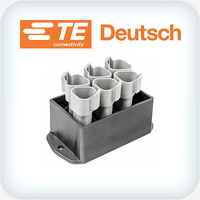
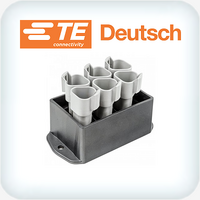
Robust Environmental Sealing and Stable Data Transmission
Maintaining digital communication lines inside heavy-duty machinery presents unique electrical challenges, as high-frequency CAN Bus data streams are highly sensitive to voltage drops, signal noise, and micro-interruptions caused by moisture tracking or terminal fretting. Our high-performance DEUTSCH DT series connectors completely overcome these vulnerabilities through a robust, thermoplastic shell design paired with integrated silicone rubber seals that achieve a certified IP68 ingress protection rating. This advanced environmental sealing locks out fine dust, mud, corrosive fluids, and moisture, ensuring uninterrupted data transmission on high-risk circuits. Featuring high pin retention and secure locking mechanisms, these plugs successfully eliminate terminal movement and contact shifting, making them a trusted choice for managing engine management systems, onboard diagnostics, telemetry, and critical control modules.
Industrial Compatibility Across Heavy Transport and Machinery Applications
Achieving total safety and legal compliance on automated transit and heavy infrastructure networks requires components engineered to handle continuous physical shocks and extreme temperature fluctuations. The DEUTSCH CAN Bus family delivers reliable, unyielding performance across a broad thermal spectrum ranging from a freezing -55°C up to an intense +125°C. This exceptional durability makes them fully compatible with both factory OEM frameworks and custom aftermarket networks operating under intense thermal and mechanical stress. Because of their proven resilience, these digital network plugs are heavily specified across multiple high-exposure sectors. In automotive engineering and professional motorsports, they manage high-vibration ECU loops and electronic dashboard telemetry feeds. Heavy equipment manufacturers heavily rely on this robust technology for primary agricultural machinery links, heavy-duty earthmoving engine harnesses, and mining automation applications.
Frequently Asked Questions
Why are DEUTSCH DT connectors preferred over standard plugs for CAN Bus wiring?
Controller Area Networks transmit high-speed data signals that can be completely corrupted by a fraction of a second of contact loss or minor terminal corrosion. DEUTSCH DT connectors are chosen as the global industry standard because their precision internal locks and heavy-duty silicone seals maintain a perfect, gas-tight electrical connection, protecting sensitive data lines against the severe vibration and moisture tracking that causes generic automotive plugs to fail.
What temperature spectrum can these CAN Bus connectors handle?
Our genuine DEUTSCH CAN Bus connectors are engineered to handle extreme environmental shifts, remaining fully operational and maintaining absolute signal integrity across a wide temperature range from -55°C up to +125°C, allowing them to be safely mounted directly onto hot engine blocks or heavy industrial processing machinery.
Can these data connectors be integrated with aftermarket electronics?
Absolutely, the universal architecture of the DEUTSCH DT line ensures broad compatibility across both complex factory OEM electronics and custom aftermarket systems. This makes them ideal for retrofitting advanced telemetry modules, auxiliary data loggers, or digital control networks into commercial vehicle fleets and mining machinery without altering native communication pathways.