
DT Nylon Conduit Backshells
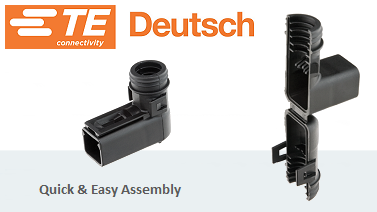
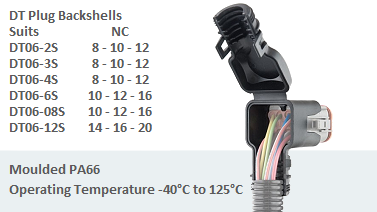
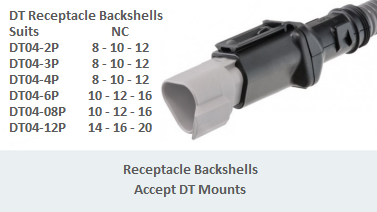
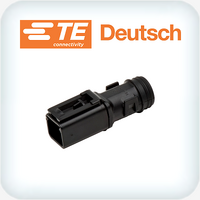
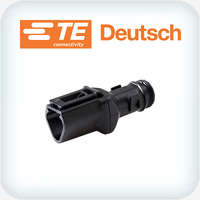
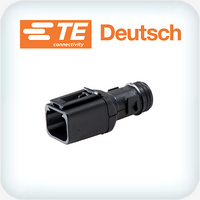
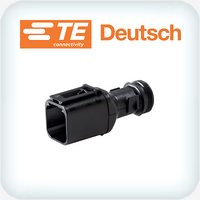
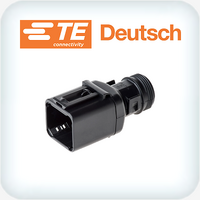
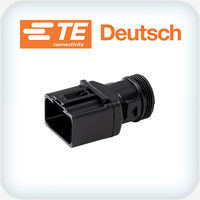
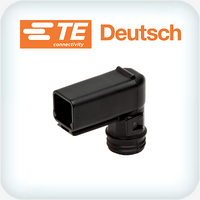
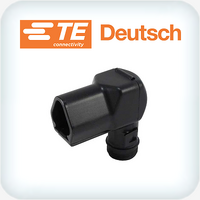
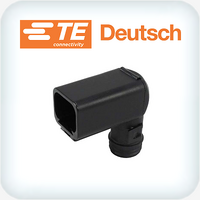
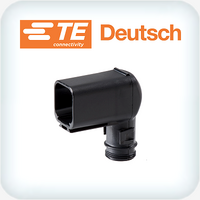
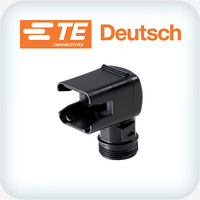
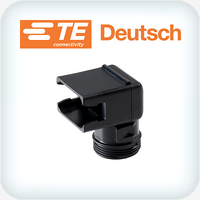
Protect your critical wiring nodes with our premium collection of Deutsch DT nylon conduit backshells. Specially engineered to pair seamlessly with TE Connectivity Deutsch DT series connectors, these heavy-duty backshells provide the perfect mechanical transition between your connector housing and protective conduit systems. They clip firmly onto the back of your automotive plugs and receptacles, reinforcing your assemblies against continuous vibration, wire chafing, and harsh under-bonnet environmental conditions. Every backshell in our inventory is built with a rugged, one-piece polyamide fibreglass or high-grade nylon 6/6 construction to ensure professional-tier performance in heavy equipment, marine rigs, and commercial vehicles. These high-strength components safely operate within a demanding temperature range spanning from -40°C up to +125°C. They are entirely RoHS compliant, offering dependable heat resistance and strain relief without adding unnecessary weight to your wiring harnesses.


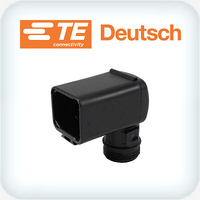
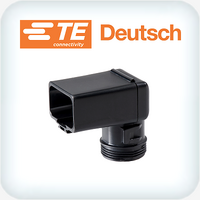
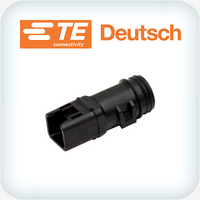
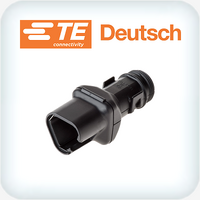
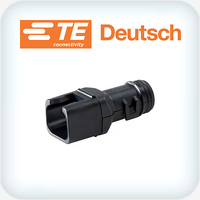
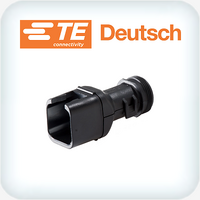
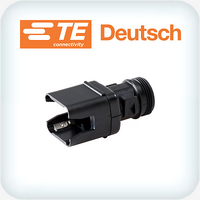
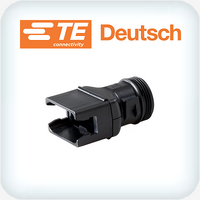
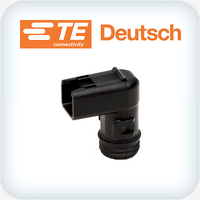
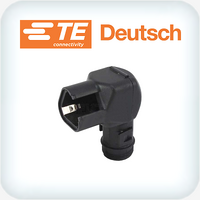
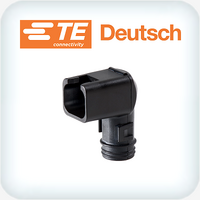
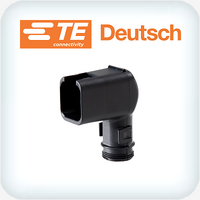
Advanced Polyamide Construction and High-Strain Mechanical Relief
Standard wiring looms frequently suffer from exposed wire entry points immediately behind the plug body, leaving individual copper conductors vulnerable to sharp bending forces, moisture tracking, and insulation wear. Our high-performance backshells completely overcome these structural liabilities by locking directly onto the rear tracks of standard DT series connectors to house the wire bundle securely. Every backshell in our inventory is built with a rugged, one-piece polyamide fibreglass or high-grade nylon 6/6 construction to ensure professional-tier performance in heavy equipment, marine, and commercial vehicles. This high-strength component design functions as a permanent strain relief mechanism, distributing physical pulling tension evenly across the conduit shell rather than straining the delicate silicone rubber wire seals.
Extreme Thermal Stability for High-Exposure DT Series Connectors
Achieving long-term safety and legal compliance on automated machinery networks or heavy vehicle platforms requires shielding adapters engineered to handle harsh industrial washdowns and severe environmental conditions. The DEUTSCH backshell range safely operates within a demanding thermal spectrum spanning from a freezing -55°C up to an intense +125°C, ensuring the polymer will not warp or become brittle when mounted directly adjacent to hot engine blocks or high-draw auxiliary layouts. Entirely RoHS compliant, these adapters provide dependable heat resistance without adding unnecessary weight to your wiring harnesses. Available in versatile straight configurations, angled 90-degree elbows, and various conduit outlet diameters, they give panel builders total layout flexibility to route cables neatly along metallic chassis frames, office workstations, or deep marine bulkheads.
Frequently Asked Questions
What is the main engineering purpose of a DEUTSCH DT conduit backshell?
The primary purpose of a conduit backshell is to bridge the physical gap between the back of a DEUTSCH DT connector and your protective corrugated conduit or split loom tubing. By snapping firmly onto the connector housing, it completely encloses the exposed rear wires, protects them from physical chafing against nearby components, and provides excellent mechanical strain relief to maximize harness lifespan.
Are these nylon backshells compatible with both plugs and receptacles?
Yes, our comprehensive online selection of genuine DEUTSCH backshells includes specialized designs tailored to clip securely onto both male multi-pin plugs and female receptacle housings, allowing you to establish uniform, fully protected conduit routing across every connection node in your vehicle layout.
What temperature parameters can these polyamide fittings withstand?
Manufactured from high-grade nylon 6/6 and rugged polyamide fibreglass blends, these commercial-grade backshells are engineered to withstand extreme environment shifts, remaining structurally unyielding and maintaining total mechanical integrity across a demanding operating range from -55°C up to +125°C.