
Bi-metal Connectors
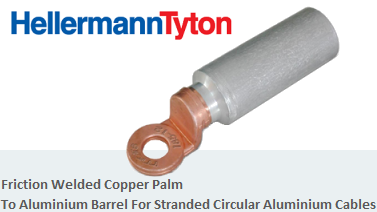
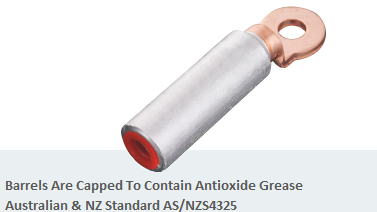
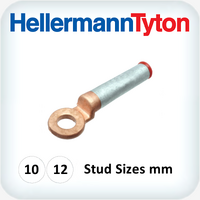
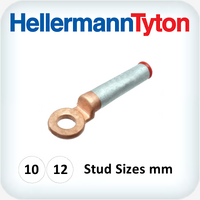
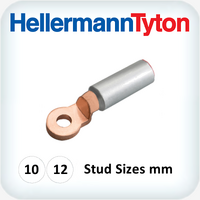
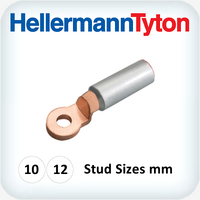
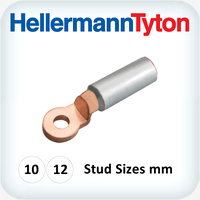
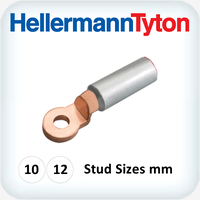
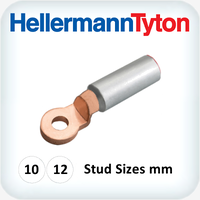
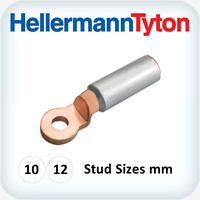
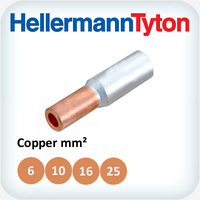
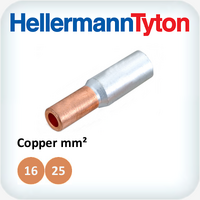
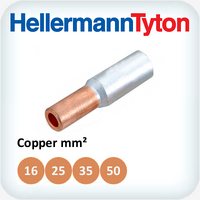
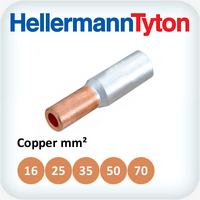
HellermannTyton AS/NZS 4325.1 Compliant Bi-Metal Connectors. HellermannTyton bi-metal connectors provide high-efficiency, reliable terminations for stranded aluminium conductors in demanding utility and industrial infrastructure. These premium lugs feature a heavy-duty friction-welded copper-to-aluminium joint, eliminating galvanic corrosion at the molecular interface. Each aluminium barrel cable entry arrives factory-capped and pre-filled with an antioxidant, high-temperature grease infused with a zinc compound to actively disrupt oxide films and guarantee low contact resistance.

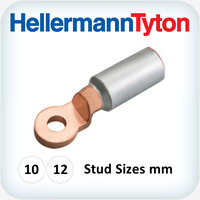
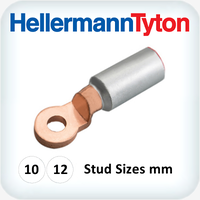
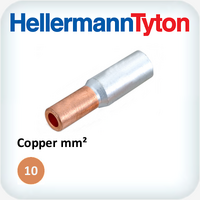
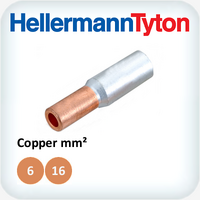
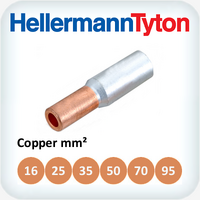
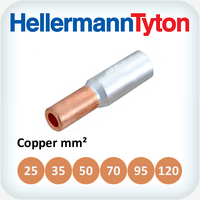
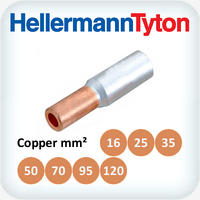
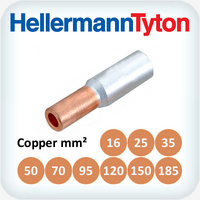
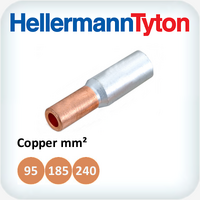
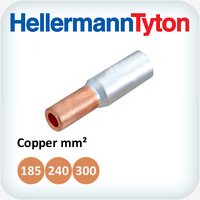
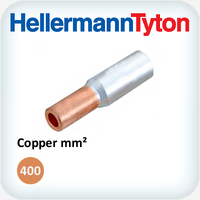
Molecular Friction-Welded Interface and Galvanic Corrosion Defence
Terminating an aluminium conductor onto a copper busbar or terminal block introduces severe engineering risks, as the direct mechanical contact of dissimilar metals causes rapid galvanic corrosion and high-resistance terminations. Our high-performance HellermannTyton bi-metal lugs completely overcome this electrical vulnerability by utilising a heavy-duty, friction-welded copper-to-aluminium joint that eliminates galvanic degradation at the molecular interface. This specialised manufacturing process bonds a high-purity forged copper palm directly to a commercial-grade aluminium barrel. This unified design provides maximum current transfer, exceptional mechanical strength, and complete structural safety under continuous heavy loads, satisfying strict international energy grid requirements.
Factory-Filled Antioxidant Protection and Oxide Disruption
Achieving long-term circuit integrity and total compliance with strict AS/NZS 4325.1 standards requires managing the natural oxide layer that instantly forms on raw aluminium cables. To guarantee low contact resistance and simplify workshop assembly line speeds, each aluminium barrel cable entry arrives factory-capped and pre-filled with a specialised, high-temperature antioxidant grease. Infused with a high-performance zinc compound, this grease actively disrupts stubborn surface oxide films during the structural crimping process while physically sealing out ambient moisture and air. Featuring a smooth, precision-machined internal barrel layout, these lugs allow for seamless multi-strand conductor insertion, completely preventing stray strands and ensuring a permanent, gas-tight mechanical link that withstands intense physical shocks.
Frequently Asked Questions
Why is a friction-welded bi-metal lug necessary when connecting aluminium cables?
Aluminium and copper expand at different rates and possess different electrochemical potentials. If you connect raw aluminium directly to copper terminals using standard clamps, electrical tracking moisture will trigger rapid galvanic corrosion, creating an insulative barrier that overheats and causes catastrophic circuit failure. A friction-welded bi-metal lug creates a solid molecular bond between the two metals during manufacturing, completely blocking the entrance path for corrosion and ensuring a perfectly safe electrical transition.
What purpose does the factory-applied jointing grease serve inside the barrel?
Aluminium wire naturally develops a thin, transparent layer of aluminium oxide the moment it is exposed to air, which acts as an electrical insulator. The pre-filled grease inside our HellermannTyton barrels is heavily infused with a specialised zinc compound that scratches and disrupts this insulative oxide layer during tool compression, establishing a highly dependable, low-resistance metal-to-metal contact.
What does AS/NZS 4325.1 compliance mean for my electrical installation?
Compliance with the AS/NZS 4325.1 standard guarantees that these compression connectors have undergone rigorous independent testing lines for electrical load cycling and mechanical pull-out strength. This third-party certification ensures that the lugs will safely handle intense thermal cycling and continuous mechanical strain on high-risk Australian utility, industrial automation, and mining sites.
Do these bi-metal lugs require a specific trade crimping method?
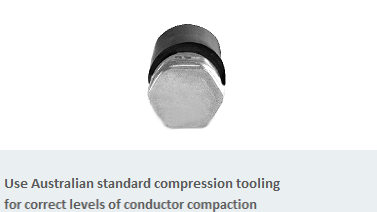
Yes, to establish a code-compliant, gas-tight mechanical bond, these lugs must be compressed using matching commercial-grade hydraulic crimping tools fitted with the correct hex dies specified by the manufacturer. Technicians should always leave the protective factory barrel caps in place until the exact moment of wire insertion to keep the internal antioxidant grease completely free from workshop dust or debris contamination.